ENGINEERING SOLUTIONS FOR DESIGN & MANUFACTURING

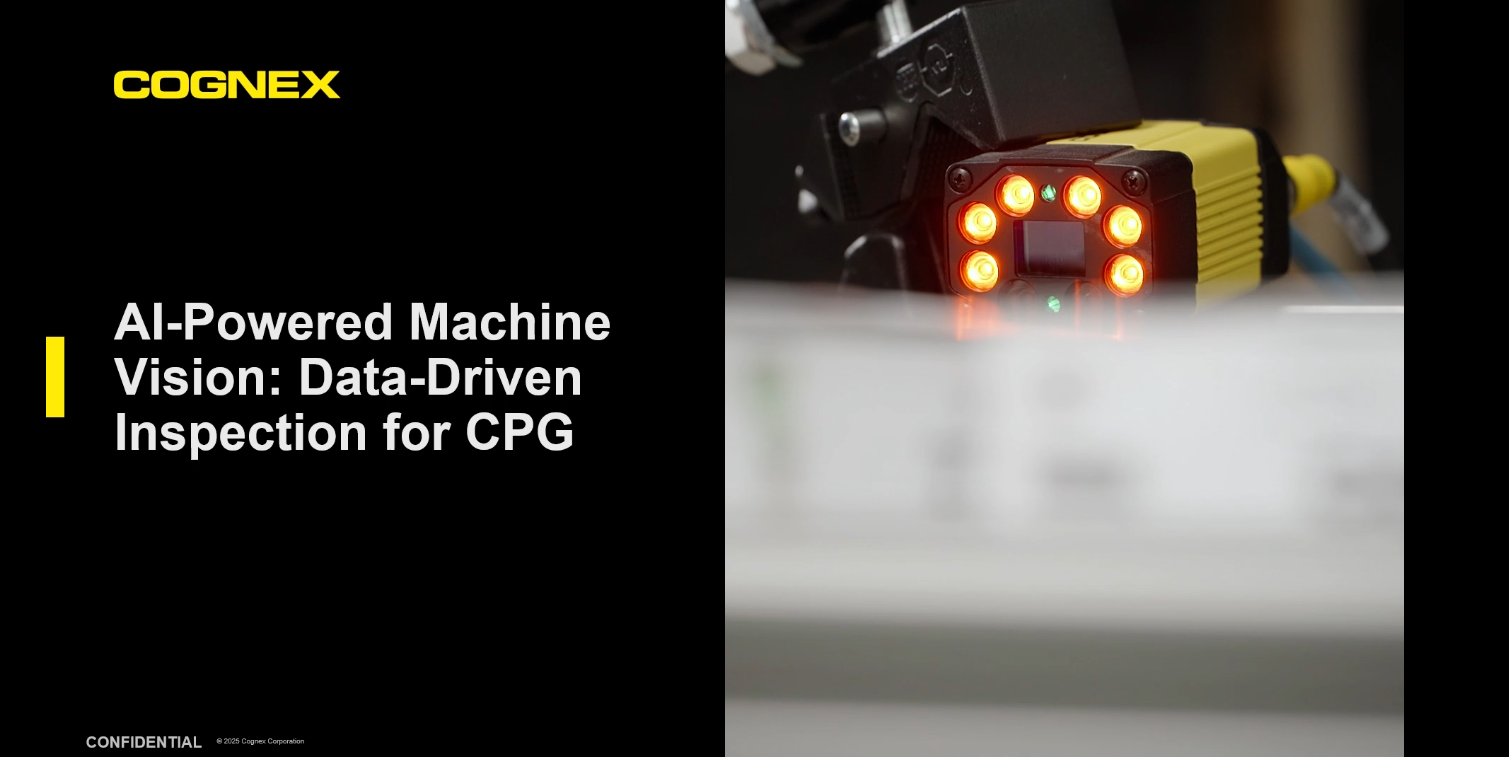
AI-Powered Machine Vision: Data-Driven Inspection for CPG
By 2030, an estimated 85 million jobs may go unfilled due to a global shortage of skilled labor—threatening $8.5 trillion in potential revenue. Key drivers include retiring workers, evolving skill requirements, and shrinking labor pools. These shifts heighten the need for automation, especially in repetitive tasks like inspection.
Manual inspection—long the standard for quality control also brings hidden costs: high labor expenses, human error, and inconsistent results. Fatigue and subjectivity contribute to up to 68% of factory defects, leading to recalls, compliance risks, and lost efficiency. As production demands rise for precision, hygiene, and scalability, manual processes fall short.
Smart factories are meeting these challenges by adopting automation, robotics, and machine vision. These technologies enable real-time, hands-free inspection, guiding and verifying products with speed and accuracy. AI-powered vision systems reduce cycle times, improve safety, and streamline production—from inspection to packaging.
Watch our on-demand webinar to explore how machine vision supports scalable, high-performance manufacturing while cutting costs and boosting quality in the face of ongoing labor, regulatory, and profitability challenges.